An Alternative Perspective on Perimenopause 🌿
Understanding the transition through an Ayurvedic Lens
During my Panchakarma treatment in India in 2025, a seasoned Ayurvedic therapist shared a perspective on perimenopause that I’ll never forget –
"Perimenopause is like pregnancy. Just as you care deeply for yourself while preparing to bring new life into the world, this is a time to care deeply for yourself as you give birth to a new version of you." 🌿
That simple wisdom changed the way I viewed this phase entirely—not as something to fear or fix, but as a profound transition worthy of care, patience, and support.
If you've found yourself wondering...
Why am I suddenly anxious?
Why am I waking up at 3 AM?
Why am I so tired but can't relax?
Why am I gaining weight despite doing all the same things?
Why do I feel unlike myself?
You're not alone.
Many women enter their late 30s and 40s feeling confused by changes happening in their bodies and minds.

In Ayurveda, perimenopause is part of Rajonivritti Kala—a natural transition that marks the beginning of a new season of wisdom, self-awareness, and deeper wellbeing.
Often, we're told that these symptoms are simply something to "push through","put up with" or “navigate alone“.
But Ayurveda offers a different perspective.
Rather than seeing perimenopause as a problem to fix, Ayurveda views it as a natural transition — one that deserves support, understanding, care and even community.
First, let’s understand
What is Perimenopause?
Perimenopause is the transition leading up to menopause.
It can begin as early as your late 30s or early 40s and may last several years before your menstrual cycle stops completely.
During this time, hormone levels naturally fluctuate, which can affect:
Sleep
Mood
Energy
Digestion
Weight
Concentration
Skin and hair
Menstrual cycles
For many women, it can feel like their body suddenly changed the rules.
The good news?
Your body is not failing you.
It is adapting.
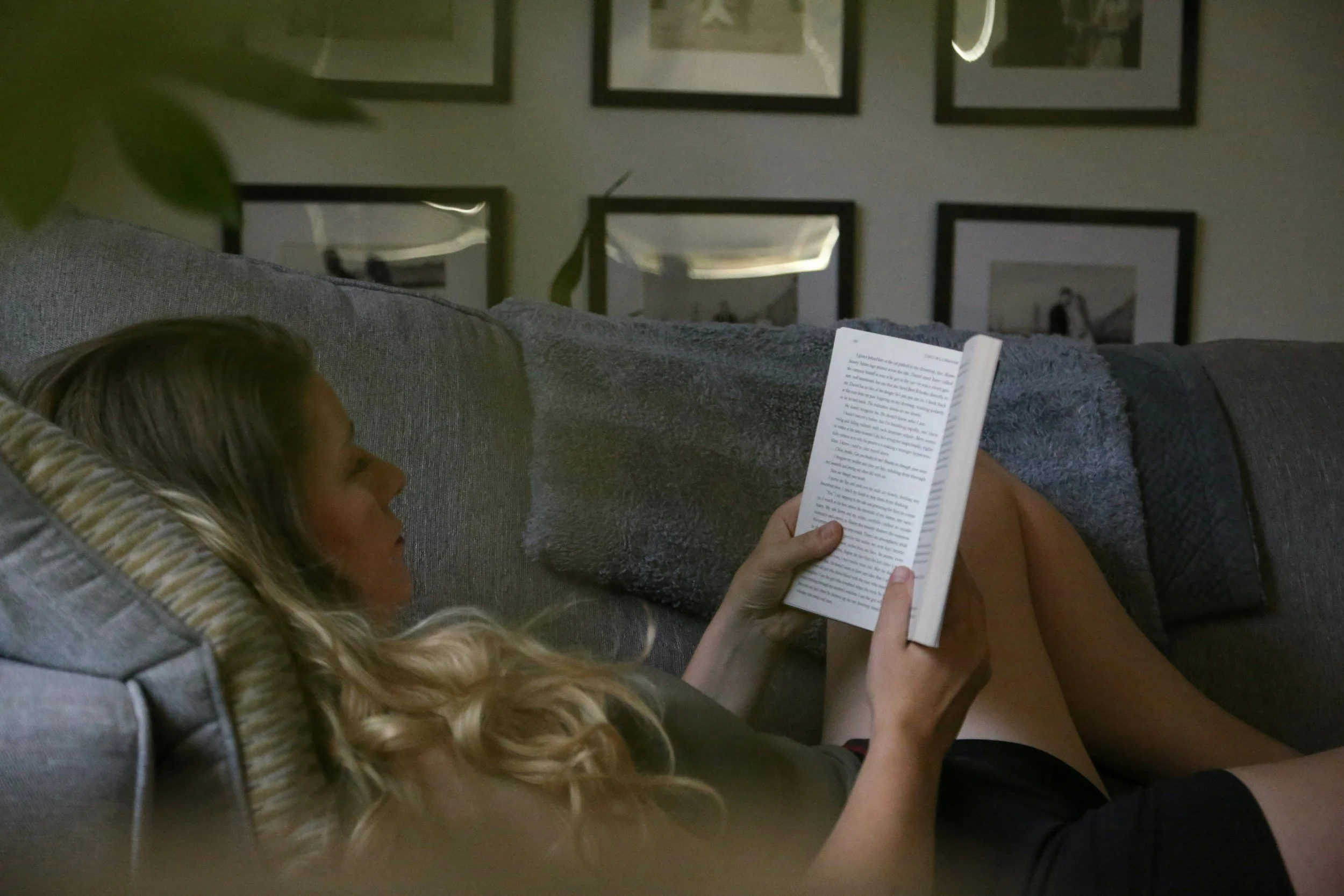
Slowing down is not a setback—it's medicine. It doesn't mean stopping forever; it means giving your body the support it needs to heal, adapt, and thrive. 🌿
“Even modern evidence suggests that chronic stress can worsen perimenopausal symptoms—making rest not a luxury, but an essential part of wellbeing. 🌿”
Some Common Signs of Perimenopause
Every woman experiences this transition differently, but common symptoms include:
Physical Changes
Hot flashes
Night sweats
Weight gain, especially around the abdomen
Fatigue
Joint aches
Digestive changes
Irregular periods
Headaches
Changes in libido
Mental & Emotional Changes
Anxiety
Mood swings
Brain fog
Irritability
Feeling overwhelmed
Difficulty concentrating
Reduced resilience to stress
Sound familiar?
Many women tell us they don't feel sick, but they don't feel like themselves either.
The Ayurvedic Perspective
Ayurveda, the ancient science of life, sees health as a state of balance between body, mind, and spirit.
Rather than focusing only on hormones, Ayurveda asks:
What is happening in the whole person?
Your:
Stress levels
Sleep habits
Digestion
Daily routine
Emotional wellbeing
Relationships
Work demands
Energy patterns
all influence how you experience this transition.
From an Ayurvedic perspective, perimenopause is often associated with an increase in Vata (Air + Space element) energy.
Vata is linked to movement, change, and the nervous system.
When Vata becomes elevated, you may notice:
Anxiety
Restlessness
Insomnia
Dryness
Brain fog
Irregular cycles
Feeling scattered or overwhelmed
In many ways, the symptoms of perimenopause mirror the qualities of excess Vata.
“You don’t need to earn rest through exhaustion.
Rest is what helps you return to yourself.”
Why Modern Life Can Make Symptoms Feel Worse?
We all know, most women today are carrying a lot.
Many are:
Managing careers
Caring for children
Supporting aging parents
Running households
Managing finances
Trying to stay healthy
Keeping up with endless notifications and demands
Your body was never designed to operate in a constant state of stress.
When chronic stress combines with hormonal changes, symptoms can feel more intense.
This is why lifestyle support becomes so important during this phase of life.
7 Ayurvedic Practices to support Perimenopause
You don't need to overhaul your life overnight.
Small, consistent practices often create the biggest shifts.
1. Prioritize Rest
Your body may need more recovery than it did in your twenties.
Try:
Going to bed at a consistent time
Reducing screen time before sleep
Creating a calming evening routine
Allowing yourself permission to rest
Remember:
Rest is productive.
2. Eat Warm, Nourishing Foods
Ayurveda often recommends warm, cooked meals to support digestion and nervous system balance.
Consider:
Soups
Stews
Kitchari
Cooked vegetables
Herbal teas
Many women notice they feel better when they reduce excessive cold, processed, or highly stimulating foods.
3. Support Your Nervous System Daily
Perimenopause isn't just a hormonal transition.
It's also a nervous system transition.
Simple practices can help:
Deep breathing
Meditation
Gentle yoga
Time in nature
Mindful walking
Even five minutes counts.
4. Move Your Body Consistently
Movement helps regulate mood, energy, sleep, and overall wellbeing.
Think:
Walking
Strength training
Yoga
Stretching
Dancing
The goal isn't punishment.
The goal is support.
5. Create More Rhythm in Your Day
Vata thrives on unpredictability.
Your nervous system thrives on rhythm.
Simple anchors can help:
Consistent meal times
Consistent sleep times
Morning routines
Evening wind-down rituals
Small routines create a surprising sense of stability.
6. Reduce the "Always On" Lifestyle
Many women spend years prioritizing everyone else.
Perimenopause can be an invitation to pause and ask:
What do I need?
What gives me energy?
What drains me?
What am I ready to let go of?
This stage of life often calls for more boundaries, not more hustle.
7. Stay Connected
One of the most healing things women can experience is realizing they're not alone.
Talk to trusted friends.
Join supportive communities.
Seek professional guidance when needed.
Connection helps us navigate change with greater ease.
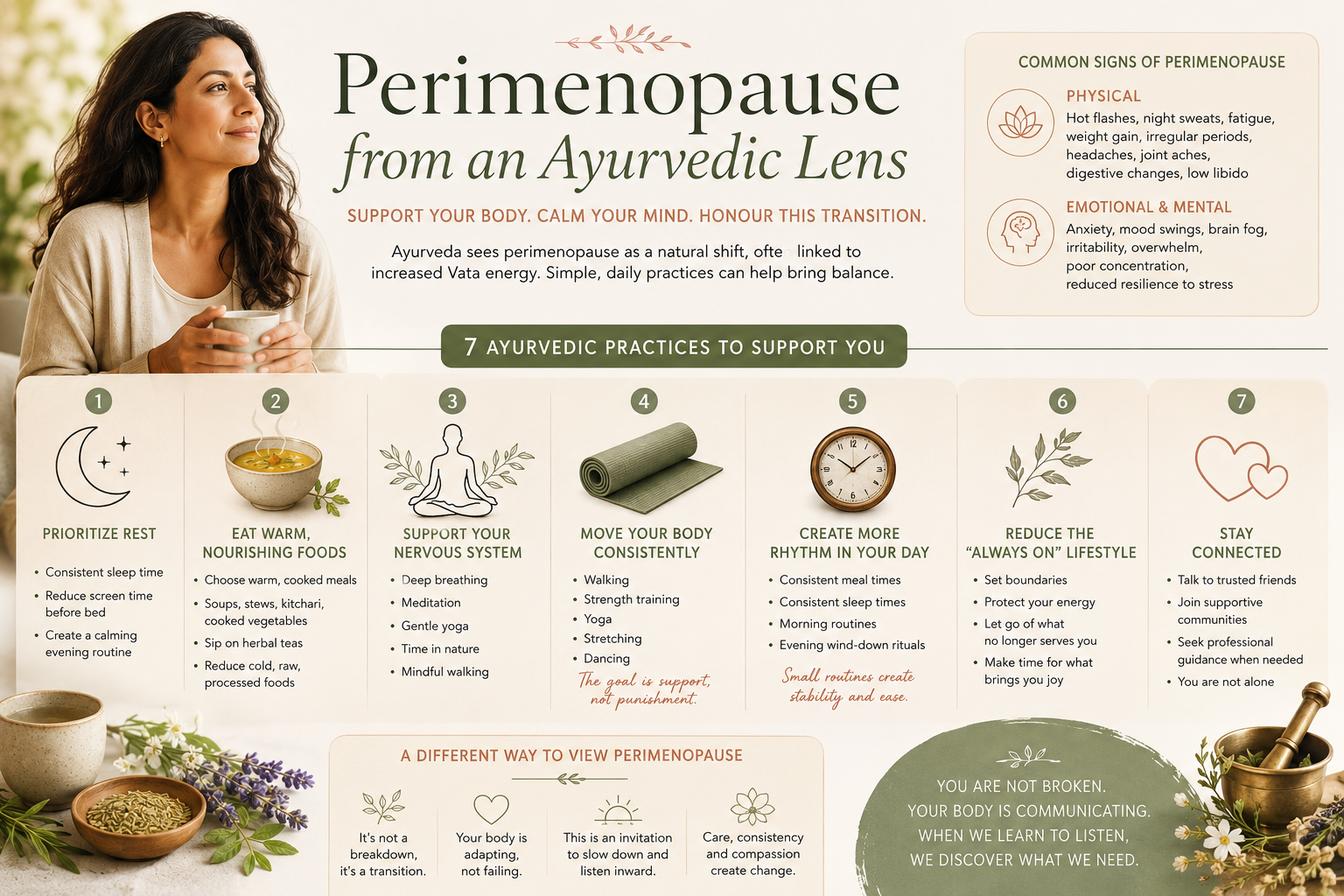
An Alternative View on Perimenopause
What if this isn't a breakdown?
What if it's a transition?
What if your body is asking for a new relationship with yourself?
Perimenopause can be a powerful invitation to:
Slow down
Listen inward
Reconnect with your needs
Build sustainable habits
Create a new definition of wellbeing
Not because you're getting older.
Because you're evolving.
Our Perspective
At Poōrna, we believe our bodies are highly intelligent. They have evolved over centuries.
This transition is a design of nature & we need to listen & support our needs.
We need to work with our body instead of against it.
Perimenopause is not a failure.
It is not something to fear.
It is a natural phase of life that deserves understanding, support, and compassion.
And while every woman's journey is unique, one thing remains true –
You are not broken.
Your body is communicating.
And when we learn to listen, we often discover exactly what we need.
A Gentle Reflection
Ask yourself:
What is one small act of care I can offer myself today?
Start there.
Small steps, repeated consistently, create meaningful change.
Dr. Leena Sripada helps women with chronic and complex health concerns reconnect with their body’s innate intelligence, through a unique integration of naturopathic medicine and Ayurveda. With over 15 years of clinical experience, she is among the few naturopathic doctors in Toronto, Canada with extensive training in Ayurveda, bridging modern diagnostics with time-honored healing systems. Visit: www.doctorleena.ca
Please Note: The information provided in this article is for educational purposes only and is rooted in the traditional wisdom of Ayurveda. It is not intended to be a substitute for professional medical advice, diagnosis, or treatment. Always seek the guidance of your physician or another qualified health provider with any questions you may have regarding a medical condition or before making significant changes to your lifestyle or diet, especially if you have underlying health concerns or are taking medication.
Lifestyle • Seasonal wellness • Ayurveda
Want more practical Ayurvedic tips like this?
Ayurvedic wisdom, reimagined for the modern woman — to move through life with more ease & harmony.
Upcoming Programs & Retreats
Learn more >